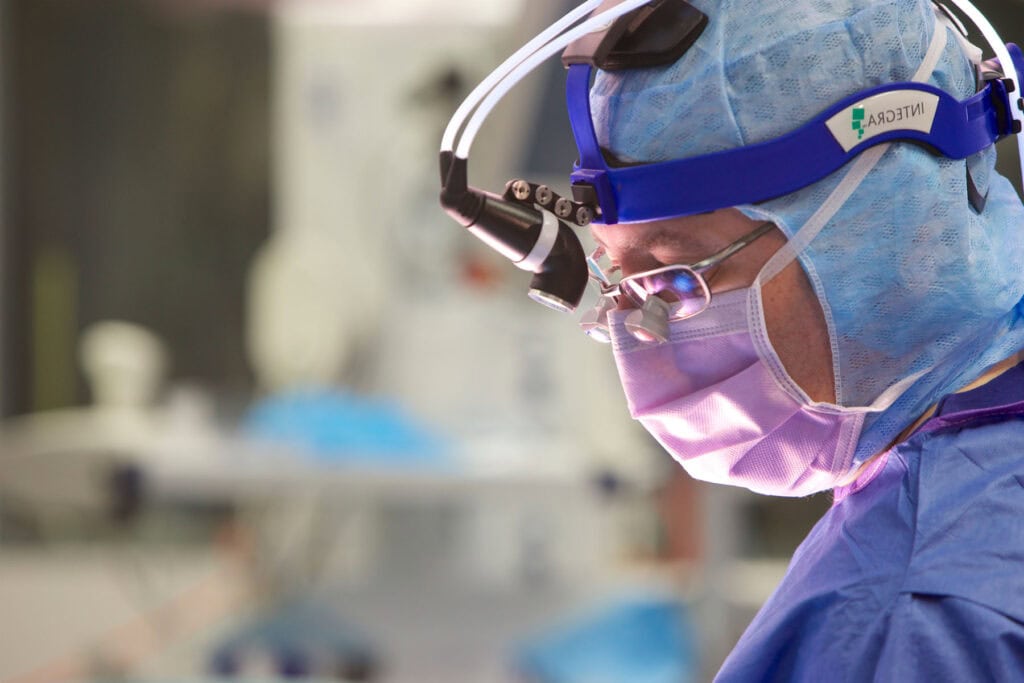
Orthopaedic Surgery
Experts
Some orthopaedic surgeons also do spinal surgery – check to see that the orthopaedic surgeon you have requested to assess a spinal condition is actually qualified and practicing in this area – if not, then a neurosurgeon should be used.
What is an Orthopaedic Surgeon?
Orthopaedic surgeons operate on the bones and joints. They also operate on tendons and ligaments. Some orthopaedic surgeons also perform spinal surgery.
What Symptoms Does an
Orthopaedic Surgeon
Diagnose?
- Joint pain
- Shoulder pain
- Knee pain
- Hip pain
- Joint stiffness
- Hand numbness

What Treatment Disorders Does an Orthopaedic Surgeon Treat?
- Fractures (only spinal orthopaedic surgeons should assess spinal fractures however)
- Dislocations
- Tendon injuries
- Ligament injuries
- Soft tissue injuries
- Knee conditions
- Knee injuries
- Hip conditions
- Hip injuries
- Foot and ankle conditions
- Foot and ankle injuries
- Shoulder conditions
- Shoulder injuries
- Elbow conditions
- Elbow injuries
- Hand conditions
- Hand injuries
- Wrist conditions
- Wrist injuries
- Carpal tunnel syndrome
- Tarsal tunnel syndrome
- Ulnar neuropathy
- Rotator cuff syndrome
- Frozen shoulder
- Meniscal tears
- Cruciate ligament tears
- Tennis elbow
- Golfer’s elbow
- Trauma
What Other MedicoLegal Assessments May Be Required?
- Psychiatry
- Pain medicine
- Neurosurgery
- Occupational medicine
- Plastic surgery
- Neurology


Can an Orthopaedic Surgeon Be Contacted via TeleHealth?
Yes, often they can. Having a physiotherapist or an exercise physiologist with the client to carry out the examination can be helpful.
Orthopaedic telehealth involves the use of telecommunications technology to deliver orthopaedic care remotely. Here are some general instructions for patients to prepare for a telehealth appointment with an orthopaedic provider:
before the appointment
Set Up the Necessary Technology: You’ll need a device with a camera and microphone such as a smartphone, tablet, or computer. Make sure your device has a stable internet connection. Install any necessary software or apps. Many healthcare providers use platforms like Zoom, Microsoft Teams, or their own secure video software.
during the appointment
Discuss Your Concerns: Describe your symptoms, when they started, and any activities that make them better or worse. Be prepared to answer questions about your medical history.
after the appointment
Follow Instructions: If your provider has given you any instructions, such as exercises to do at home or changes to your medication, make sure you understand and follow them.
What Are Typical Orthopaedic Surgeon Expert Cases?
Orthopaedic surgeon expert witnesses can be called upon in a variety of cases, the most common being medical malpractice and personal injury claims.
Here Are the Primary Roles of an Orthopaedic Surgery Expert Witness:
- Medical Malpractice: These cases can involve allegations of surgical errors, improper treatment, delayed diagnosis, or failure to diagnose a condition that an orthopaedic surgeon should have identified. They might also involve questions about the standard of care provided, the informed consent process, or postoperative care.
- Personal Injury Cases: These are cases where an individual has suffered musculoskeletal injuries due to accidents or other events. The orthopaedic expert witness can help determine the severity of the injury, the likely cause, the appropriateness of the treatment provided, and potential long-term impacts. Examples include car accidents, falls, and workplace injuries
- Workers’ Compensation Cases: These cases involve injuries that occur in the workplace. The expert witness can assess the injury, review the treatment provided, and provide an opinion on the prognosis and the likely impact on the individual’s ability to work
- Product Liability Cases: These can involve medical devices or equipment used in orthopaedic care, such as artificial joints, orthopaedic hardware (like plates, screws, or rods), or physical therapy equipment. The expert witness can testify about whether the device was used correctly or whether it had a design or manufacturing defect that led to injury.
- Disability Claims: Orthopaedic surgeon expert witnesses can be asked to provide their expert opinion in cases where an individual is seeking disability benefits due to an orthopaedic condition. They might review the individual’s medical records and provide an opinion on their ability to work and the likely course of their condition
In all these cases, the role of the orthopaedic surgeon expert witness is to provide objective, reliable information to the court based on their expertise and experience. Their opinions can play a critical role in helping the court understand the medical issues at hand and reach a fair decision.
Get timely updates and fresh ideas delivered to your inbox.