Traumatic Brain Injury Experts
Introduction
Personal injury lawyers often deal with a wide range of injuries, but few are as complex and life-altering as traumatic brain injury (TBI). Traumatic brain injuries can have profound and long-term effects on the person injured, as well as their friends and loved ones. Traumatic brain injuries are often life-changing, affecting their physical, cognitive, emotional, and financial well-being.
I. Understanding Traumatic Brain Injuries
A traumatic brain injury, also known as TBI, is a condition that results from a violent blow, jolt, or penetration to the head or skull, causing damage to the brain. TBI’s range from mild concussions injuries to severe, life-altering brain injuries. TBI can be divided into three main groups:
- Mild Traumatic Brain Injury (concussion). Concussion frequently leads to a range of symptoms including headaches, confusion, memory issues, irritability and mood changes. These symptoms are often temporary, but in some cases they can be long-lasting.
- Moderate Traumatic Brain Injury: Moderate TBI includes injuries with more significant brain damage, resulting in a longer recovery period and more severe symptoms. These symptoms may include issues with concentration, memory, problem solving, speech and mood.
- Severe Traumatic Brain Injury: The most severe type of TBI can lead to coma, permanent disability, or death. Severe TBI may require lifelong medical care and rehabilitation.

II. Causes of Traumatic Brain Injuries
Some of the main causes of TBIs include:
- Motor Vehicle Accidents: Car crashes, motorcycle accidents, and paedestrian accidents are leading causes of traumatic brain injuries.
- Slip and Fall Accidents: Falls, especially in older adults, can result in serious head injuries.
- Sports and Recreational Activities: Contact sports, such as football and boxing, as well as non-contact recreational activities like skiing, cycling and skateboarding, can lead to TBIs. With many of these activities, helmet use can reduce or avoid TBI in many cases of head trauma.
- Workplace Accidents: Construction sites and industrial workplaces pose risks for head injuries due to falls, falling objects, or equipment accidents. Prevention in the workplace is paramount.
- Interpersonal Violence: Physical assaults and violence can result in mild to severe TBIs.
III. Legal Considerations for Traumatic Brain Injury Cases

A. Establishing Causation and Liability
Establishing causation and proving liability is a critical aspect of managing a TBI case. Personal injury lawyers must gather evidence and build a strong case to show that the defendant’s negligence or wrongful actions directly led to the plaintiff’s brain injury. This may involve gathering ambulance and medical records, eyewitness testimony, expert opinions, and sometimes accident reconstruction.
B. Damages and Compensation
TBIs often result in extensive medical expenses, lost income, and tremendous personal and emotional suffering. Personal injury lawyers should help clients seek compensation for various damages, including:
- Medical Expenses: This includes current and future medical expenses, such as surgeries, rehabilitation, and ongoing care.
- Lost Income: TBI victims may be unable to work (temporarily or permanently), and even when they do return to work their stamina and productivity are often diminished, leading to lost income and reduced long-term earning capacity.
- Pain and Suffering: TBIs frequently cause physical pain and emotional distress, warranting compensation.
- Disability and Impairment: Lawyers should seek compensation for permanent disabilities, diminished quality of life, and loss of enjoyment. This is assessed differently from one jurisdiction to the other.


C. Proving Causation and Future Projections
Establishing causation between the accident and the TBI is crucial. Personal injury lawyers may work with medical experts to prove that the TBI resulted from the defendant’s negligence. Additionally, projecting future damages is essential in TBI cases, as victims often require ongoing medical care and may face lifelong challenges.
IV. Long-Term Consequences of Severe Traumatic Brain Injury
Severe head injuries, often resulting from traumatic events such as accidents, falls, or assaults, can have profound and lasting consequences. While immediate consequences are often well-documented, the lesser-explored realm of long-term consequences have significance in the provision of rehabilitation resources and particularly in the medicolegal contex.
- Neurological Consequences
- Neurodegenerative Disorders: Emerging evidence suggests that severe TBI increases the risk of neurodegenerative conditions, such as Alzheimer’s disease and chronic traumatic encephalopathy (CTE). CTE is also of particular concern among athletes exposed to repetitive but less severe head trauma.
- Epilepsy: Post-traumatic epilepsy is a common long-term consequence of severe TBI. Individuals may experience chronic seizures, which can significantly impact their quality of life.
- Cognitive Consequences
- Memory Impairment: Many individuals with severe brain injuries report persistent memory deficits, affecting their ability to learn, retain information, and engage in daily personal and workplace activities.
- Executive Function Deficits: Impairments in executive functions, including decision-making, planning, and problem-solving, often persist in the long-term, and can have devastating impacts on day-to-day functioning and work capacity.
- Impaired Attention and Concentration: Sustained attention difficulties are frequent, leading to reduced work and academic performance.
- Emotional and Behavioural Impairment
- Mood Disorders: Depression and anxiety are common among individuals with severe brain injuries. This is multifactorial, with its genesis including the brain injury itself, alterations in brain chemistry, and psychosocial factors contributing to these conditions.
- Impulsivity and Irritability: Impulse control problems and irritability may strain personal relationships and complicate social reintegration.
- Functional Consequences
- Physical Disabilities: Severe head injuries can result in motor impairments, including paralysis or weakness, which necessitate physical therapy and long-term care. Speech and language disturbance, visual disturbance, and loss of hearing or sense of smell are also often seen in severe TBI.
- Vocational and Educational Challenges: Individuals often struggle to return to their previous occupations or educational pursuits due to cognitive and physical impairment.
- Social Isolation: Impaired social skills and loss of emotional regulation may lead to social isolation, impacting an individual’s overall well-being. Mood changes, personality changes, and emotional lability all contribute to this.
- Rehabilitation and Support Systems
- Efficient rehabilitation and disability support programs are critical to mitigating the long-term consequences of severe brain injury. Multidisciplinary teams, including neurologists, neuropsychologists, rehabilitation physicians, physiotherapists, psychologists, occupational therapists, and social workers, play key roles in addressing the many challenges faced by severe TBI survivors.
V. Expert Witnesses and Medical Evidence
To bolster a traumatic brain injury case, personal injury lawyers often rely on expert witnesses, such as neurosurgeons, neurologists, neuropsychologists, occupational physicians and rehabilitation specialists to provide valuable insights into the extent of the injury, its impact on the person’s life, the required future care and treatment, and long-term prognosis and work capacity.
VI. Conclusions
Traumatic brain injury cases are complex, challenging, emotionally charged, and require a deep understanding of medical and legal principles.
By comprehensively understanding traumatic brain injuries, their causes, and the medical and legal considerations involved, lawyers can provide their clients with the best possible representation and help them secure the compensation they are entitled to.
By working with a team of expert medical specialists who can construct a detailed medical picture, an understanding of the impact and consequences of TBI can be achieved.
Post-Concussion Syndrome: Clinical Features, Pathophysiology, Management and Long-term Consequences

Introduction
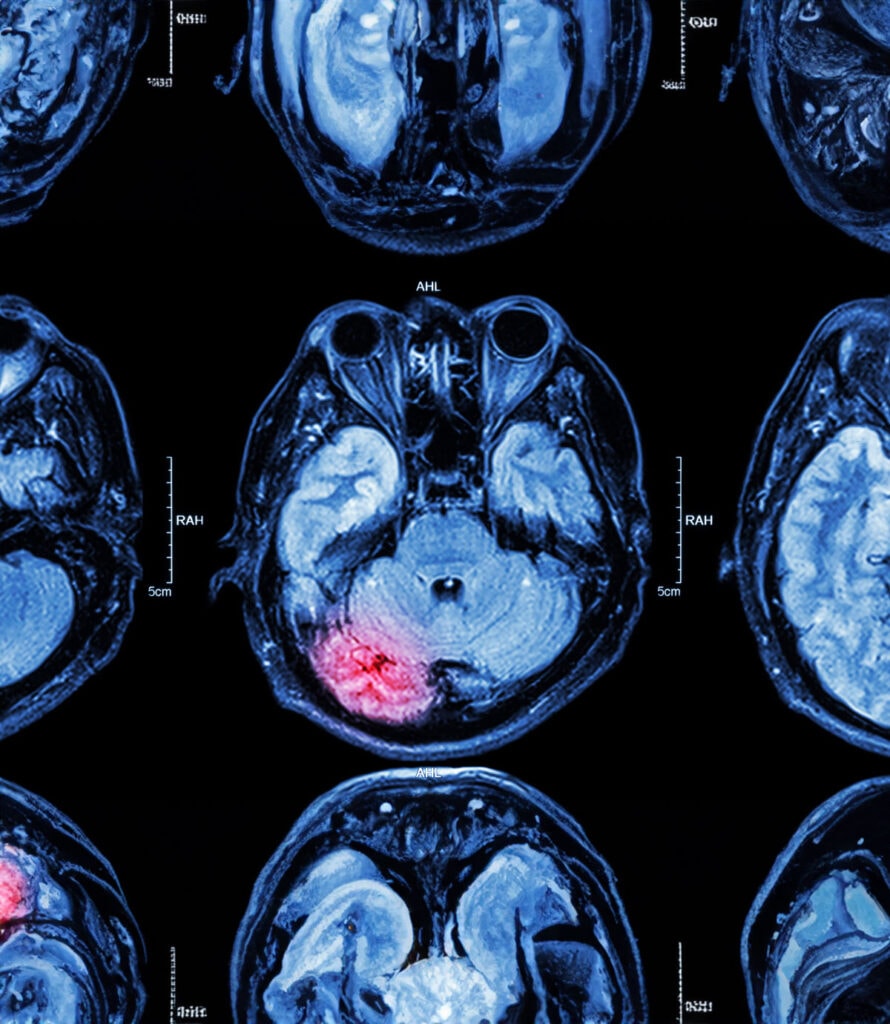
Post-concussion syndrome (PCS) is a complex and frequently debilitating condition that can develop following a mild traumatic brain injury, or concussion.
Post-concussion syndrome (PCS) is a heterogeneous disorder characterised by a constellation of cognitive, physical, emotional, and behavioural symptoms that persist beyond the acute phase.
While most individuals recover fully from concussions, some experience protracted symptoms, which can profoundly impact their quality of life.
Clinical Features
- Cognitive Symptoms: Common cognitive symptoms of post-concussion syndrome include difficulties with memory, concentration, and attention. Affected individuals often report feeling mentally “foggy” or slowed down.
- Physical Symptoms: Physical complaints may include headaches, dizziness, fatigue, balance problems, and sensitivity to light and noise. These are very common, and post-traumatic headaches can be very difficult to treat.
- Emotional and Psychological Symptoms: Mood disturbances, particularly depression, are commonly seen, as are emotional and behavioural changes including anxiety, irritability, and emotional lability.
- Sleep Disturbance: Insomnia and other alterations in sleep patterns are common with PCS, and these may further exacerbate other post-concussion symptoms.
Mechanisms and Pathophysiology
The precise mechanisms underlying post-concussion syndrome are not completely understood, however potential mechanisms may include:
- Persistent Neuroinflammation: Microglial activation and cytokine release are implicated in ongoing brain dysfunction.
- Axonal Injury: Damage to axons (white matter) in the brain may lead to disrupted neural communication between different brain regions, contributing to cognitive and physical symptoms.
- Neurotransmitter Levels: Changes in neurotransmitter levels, particularly serotonin and dopamine, may contribute to mood disturbances in post-concussion syndrome.

Management Approaches
- Symptomatic Treatment: This includes pain relief for headaches, and medications to address mood and sleep disturbances, including antidepressants and melatonin.
- Cognitive Rehabilitation Programs: These aim to improve cognitive function through various strategies and exercises.
- Vestibular and Physical Therapy: Physiotherapists can help address balance problems and improve some other physical symptoms.
- Psychological Interventions: Psychotherapy and cognitive-behavioural therapy (CBT), can help individuals cope with emotional and psychological symptoms.
- Multidisciplinary Care: A coordinated, multidisciplinary approach involving various healthcare professionals is key.
Prognosis
Prognosis for post-concussive syndrome varies considerably. While some may experience resolution of symptoms within weeks or months, others experience prolonged symptoms lasting years. Early intervention and an individualised patient-centred, approach are critical to achieving the best outcomes.
Conclusion
Post-concussion syndrome is a complex and multifaceted condition that presents significant challenges for both patients and healthcare providers. The long-term consequences and implication of post-concussion syndrome must be considered in the medicolegal setting, and this is best done using a team of medical experts to evaluate specific aspects of this form of traumatic brain injury.
The Challenges of Returning to Work After Traumatic Brain Injury
Introduction
One of the most profound challenges faced by individuals recovering from traumatic brain injuries (TBIs) is returning to work. This article explores the complex reasons why it is difficult to resume employment after a traumatic brain injury, shedding light on the physical, cognitive, emotional, and societal factors that contribute to this struggle.
Cognitive Impairment
Post-concussion syndrome is a complex and multifaceted condition that presents significant challenges for both patients and healthcare providers. The long-term consequences and implication of post-concussion syndrome must be considered in the medicolegal setting, and this is best done using a team of medical experts to evaluate specific aspects of this form of traumatic brain injury.
Physical Limitations
Many individuals recovering from TBIs face physical limitations that make it challenging to return to their previous jobs. These limitations may include motor deficits (weakness), impaired coordination, balance impairment and fatigue. Physical symptoms can restrict job performance, limit mobility, and increase the risk of accidents or injuries in certain work environments, particularly in the blue-collar setting.
Emotional and Psychological Factors
TBIs often result in emotional and psychological changes, including emotional lability (mood swings), depression, anxiety, short-temperedness, anger outbursts and irritability. These emotional challenges can create a hostile or uncomfortable work environment, affecting relationships with colleagues and supervisors. Individuals may also struggle to manage stress and cope with the emotional demands of their work.

Sensory Sensitivities
Increased sensitivity to light, noise, or certain textures, are common following TBI. These sensitivities can be overwhelming, leading to sensory overload, discomfort, and a loss of focus on tasks at work.
Fatigue and Energy Conservation
Fatigue is a frequent and persistent symptom of following TBI. Individuals may experience physical and mental exhaustion more quickly than prior to their injuries. Managing energy levels becomes crucial, because overexertion can exacerbate symptoms and further impair work performance.
Communication Challenges
TBI patients may face communication challenges, including speech and language difficulties, and problems with social interactions. Such difficulties can lead to misunderstandings, miscommunications, and result in isolation in the workplace.

Financial Barriers
The cost of medical care and rehabilitation following a TBI can be significant. Financial barriers can make it challenging to return to work, and include the need for ongoing medical treatments, therapy, and medications. Such treatment also requires an investment of time by the individual, reducing their available time to attend work.
Conclusion
Returning to work after a traumatic brain injury is a multifaceted and challenging process. Cognitive impairment, physical disabilities, emotional disturbance, sensory sensitivities, fatigue, and communication challenges all contribute to the difficulties that TBI survivors face in returning to work. Additionally, societal stigma, workplace environments, and financial barriers further complicate the reintegration process. To facilitate successful return-to-work experiences for TBI survivors, a comprehensive and personalised approach that addresses these diverse challenges is essential.
Get timely updates and fresh ideas delivered to your inbox.